
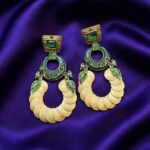
 Earrings
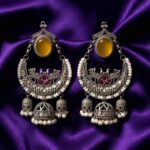 Chandbalis
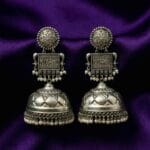 Jhumkas
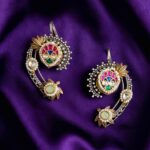 Earcuffs
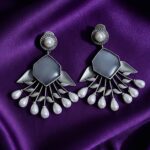 Oxidized Earrings
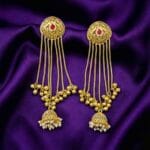 Tassel (Long Earrings)
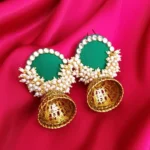 Handmade Fabric Earrings
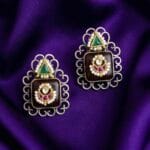 Kundan
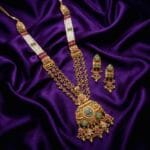 Necklace
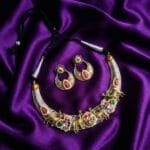 Royal Heritage Necklaces
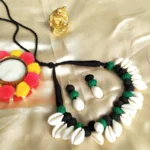 Handmade Necklace
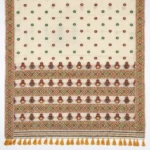 Saree
Saree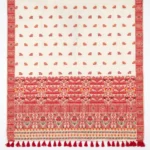 Assamese Saree
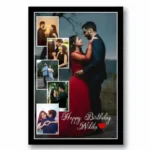 Personalized Gifts & Decor
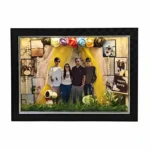 3D Miniature Frames
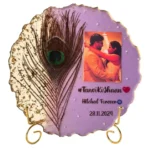 Resin Art Gifts
 Photo Frames
Solah Shringar (The 16 Arts of Beautification)
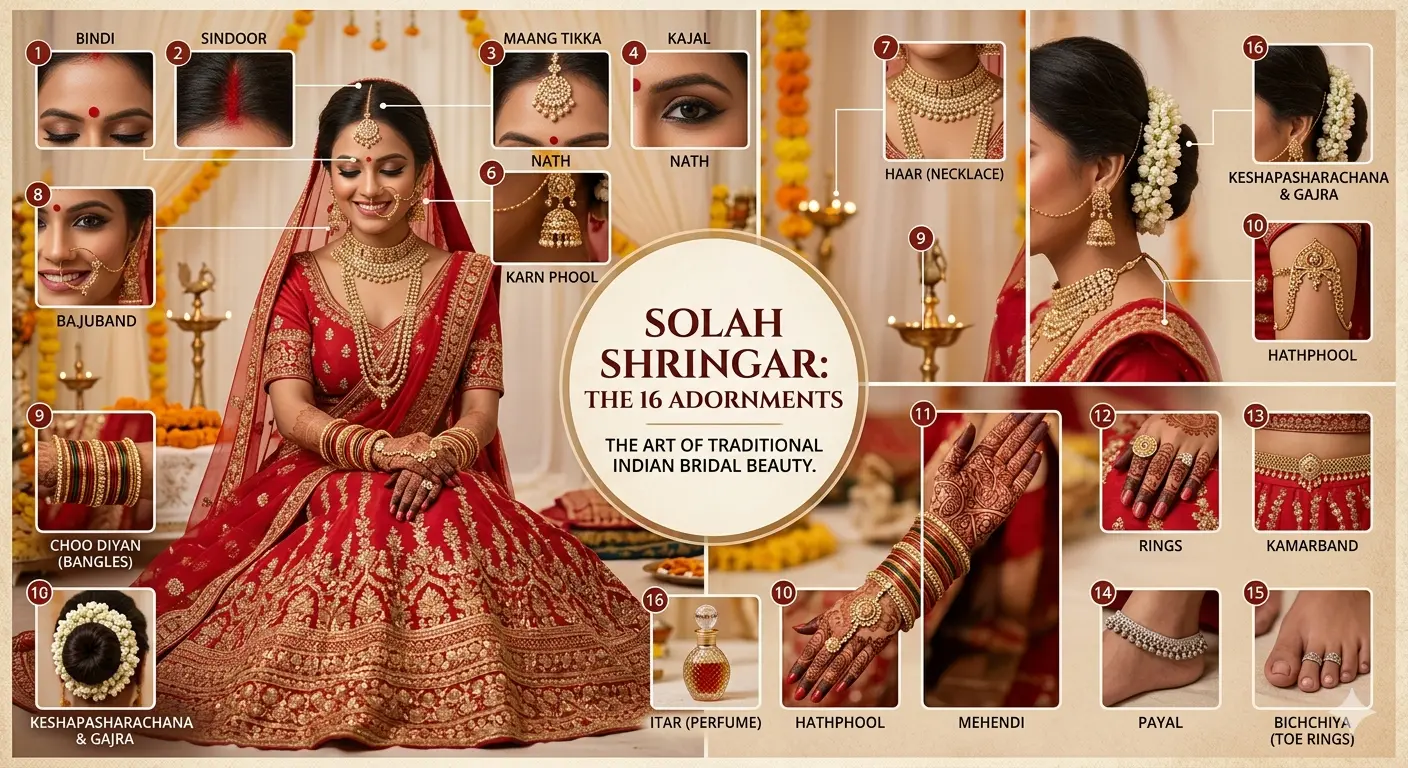
Shringar means the art of beautification. The woman is getting ready “16 ways. It is an old Indian tradition where a woman, especially a bride, decorates herself from head to toe using 16 beauty items like makeup, jewellery, and accessories. This is not just about looking beautiful. It also shows a woman’s culture, devotion, tradition, and femininity. Each item has a special meaning, making her look complete and elegant. It is also believed that Solah Shringar is connected to the 16 phases of the moon, which can affect a woman’s body and emotions. By following this tradition, it is said that a woman can feel more balanced, positive and energetic. When a woman performs Solah Shringar, she is also seen as a representation of the Goddess Lakshmi, who embodies beauty, wealth, and happiness.
- Bindi (Forehead Mark)
- Symbolism: The bindi is a sacred symbol for a married woman. It shows her love, respect, and dedication to her husband. It is also believed to bring good luck, happiness, and prosperity in her life.
- Scientific Reason : The bindi is placed on the forehead between the eyebrows, which is known as the “third eye” point. This area is connected to an important gland in the brain called the pituitary gland. Applying a bindi here is believed to help in maintaining mental balance, improving focus, and keeping the mind calm and active.
- Sindoor (Vermillion)
- Symbolism: A red powder that is applied to the central parting of the hair. It shows that women are married. It is also believed that the husband’s longevity, well-being, and sense of completeness are affected.
- Scientific Reason (Simple Explanation): Traditionally, sindoor was made from natural ingredients like turmeric and lime. It was sometimes believed to contain a small amount of mercury.It is said that these ingredients may help in calming the mind, keeping the body cool, and supporting blood pressure control. Some people also believe it can help in increasing energy and positive feelings.
- Maang Tikka (Forehead Ornament)
- Description: The women wore gold, silver, or gemstone accessories on the central hair parting, falling onto the forehead
- Scientific Reason: The maang tikka is worn on the centre part of the forehead, touching the front area of the head. This area is close to the forebrain, which helps in thinking, understanding, and memory. It is believed to help keep the mind calm and balance body heat. This spot is also known as the “Ajna Chakra,” which represents mental clarity and the balance of physical and spiritual energy, as well as the union of male and female energies.
- Kajal or Anjana (Kohl)
- Description: Kajal is a black eyeliner traditionally made from the soot of an oil lamp mixed with natural oils.
- Scientific Reason (Simple): Kajal gives a cooling effect and helps relax the eyes, especially during long functions or ceremonies. It also helps protect the eyes from dust and may reduce redness, keeping the eyes fresh and bright.
- Nose Ring (Nath)
- Description: The nose rings are made from a gold or silver ring, often with pearls, and are usually worn on the left nostril
- Scientific Reason: It is connected to the female reproductive health in Ayurveda; piercing the left nostril is said to ease menstrual cramps and labour pains. It is also believed to control brain wavelengths.
- Earrings (Karn Phool or Jhumkas)
- Scientific Reason: The earlobe is an important acupressure/acupressure point in the body. Wearing earrings may help stimulate this point, which is believed to support kidney and bladder health. It is also said to help with menstrual problems and keep the body balanced.
- Necklace (Haar or Mangalsutra)
- Description: There are various types of mangalsutra lengths and styles, which are made from gold and black beads, given by the groom.
- Scientific Reason: It is worn near the heart, it helps regularise blood circulation and control blood pressure
- Mehendi (Henna)
- Description: Henna mehendi applied on the hands and feet. It looks like deep red colour symbolises love, luck, and prosperity.
- Scientific Reason: Mehendi is a natural herb that gives a cooling effect to the body. It helps reduce stress, relax the nerves, and makes a person feel calm and refreshed.
- Bangles (Choodi)
- Description: Bangles Worn on the wrists and made from materials like gold, glass, or shell (Shakha/Pola).
- Scientific Reason: Bangles increase blood circulation and strengthen hand bones because of the friction of the skin and the bangles. Their round shape prevents bio-electric energy from escaping, reverting it back into the woman’s body to restore vitality.
- Armlets (Bajuband)
- Description: Worn on the upper arms; traditionally seen as a symbol of wealth and social status.
- Scientific Reason: Helps regulate blood circulation in the arms and creates the right amount of resistance to relax the muscles.
- Finger Rings (including Aarsi)
- Description: Rings are jewellery worn on the fingers. Aarsi is a special type of ring worn on the thumb that has a small mirror, which allows the bride to see her partner’s reflection.
- Description: Rings are jewellery worn on the fingers. Aarsi is a special type of ring worn on the thumb that has a small mirror, which allows the bride to see her partner’s reflection.
- Waistband (Kamarband)
- Description: A gold and silver belt ornament that helps hold the saree in the perfect place.
- Scientific Reason: It regulates the menstrual cycle and provides relief from cramps.
- Anklets (Payal)
- Silver chains with tiny bells (chiming bells). Wearing an anklet on the feet is considered unlucky.
- Toe Rings (Bichua)
- Description: Worn on the second toe of each foot; traditionally gifted by the mother-in-law.
- Scientific Reason: The nerve in the second toe connects directly to the uterus and heart. The ring gives constant pressure, regulates blood flow to the uterus, and maintains a healthy reproductive system and regular menstrual cycles.
- Hair Adornment (Keshapasharachana)
- Description: The styling of hair braids or buns and decorating them with jewellery and fragrant flowers like Jasmine (Gajra).
- Scientific Reason: The long-lasting fragrance of Jasmine helps the wearer stay refreshed throughout the day.
- Bridal Outfit (Wedding Dress)
- Description: a bride wears a traditionally vibrant redsaree, lehenga, or salwar kurta, often heavily embroidered with gold zari.
- Scientific/Mythological Reason: In Hindu mythology, red is an auspicious colour signifying love and well-being. The veil (dupatta) symbolises modesty and youth.
Popular Trends for Garba and Dandiya Nights.
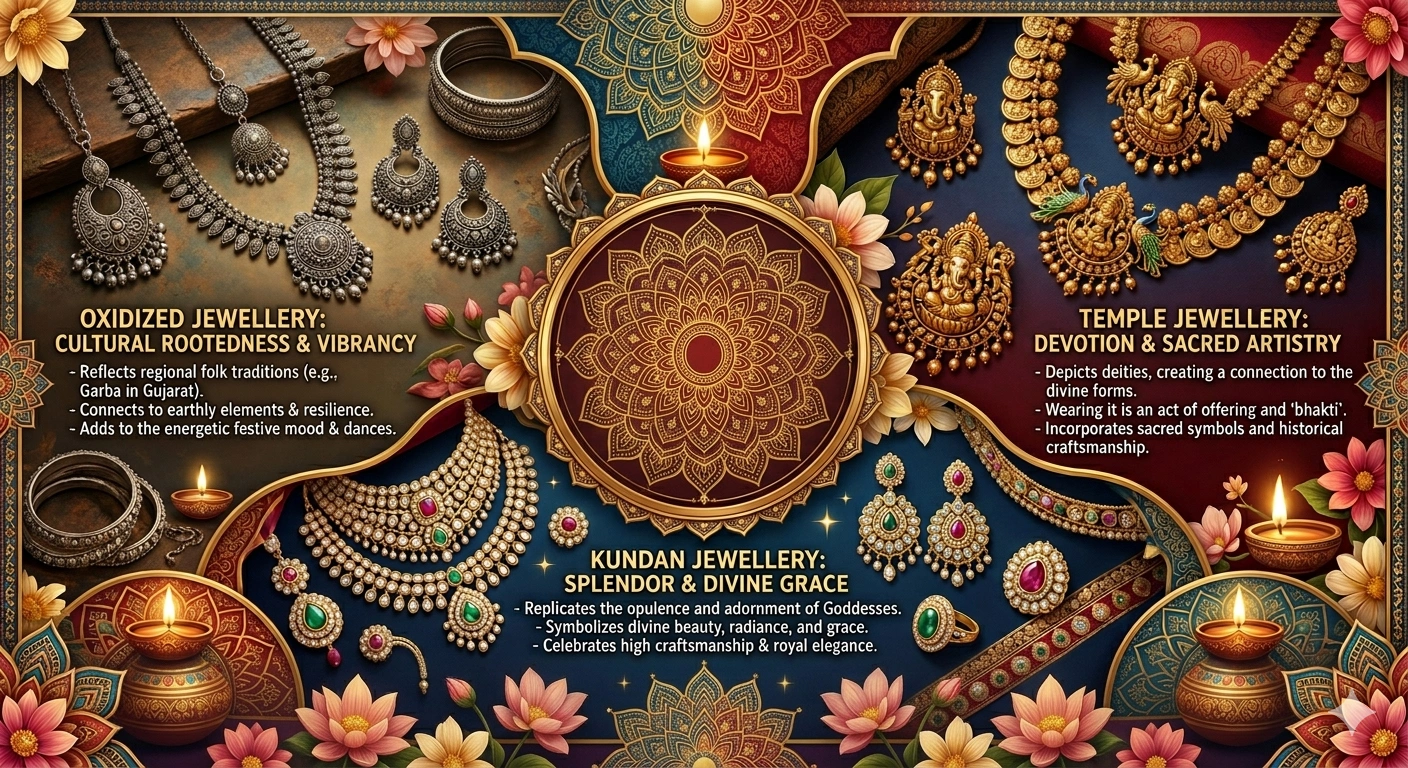
Oxidised Silver Jewellery :
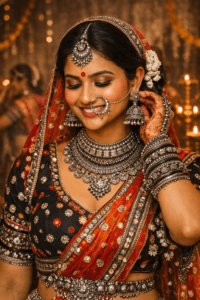
This is the most favoured choice for Garba nights because it offers a bold, rustic, and bohemian vibe that complements mirror-work lehengas and chaniya cholis. It is highly valued for being lightweight and comfortable for long hours of dancing. Popular pieces include jhumkas, chunky necklaces, and statement anklets.Oxidised jewellery is essential for Navratri, which gives a traditional, stylish look that completes your colourful chaniya choli look. Key pieces include heavy chokers, long necklaces, statement jhumkas, layered bangles, anklets, and nose pins, often featuring mirror work, tribal motifs, or floral designs.
Temple Jewellery:
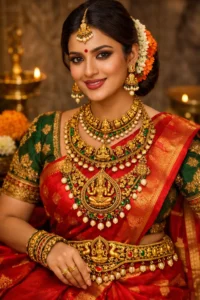
Deeply connected to devotion, this style features religious motifs and icons of deities like Goddess Lakshmi and Ganesha. It is typically crafted in gold with an antique finish, often featuring sacred symbols like lotuses and peacocks. Wearing these pieces is believed to invite blessings and divine energy during the puja.Key pieces include heavy jhumkas, chokers, Lakshmi Manga necklaces, and waist belts, designed to complement vibrant lehengas and traditional Garba outfits while inviting divine blessings.
Banjaran and Tribal Jewellery:
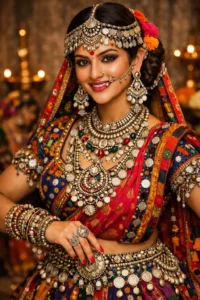
Inspired by gypsy and tribal cultures, these pieces are oversized and "bigger-than-life". They feature tribal motifs and flexible haslis (necklaces), providing a raw yet stylish charm to festive attire. This jewellery is important for Navratri, features bold, oxidised silver, mirror work, and colourful beads to complement Garba attire. Popular pieces include flexible "haslis"(chokers), long necklaces, coin-embellished pieces, dramatic jhumkas, and intricate waist belts, emphasising a rustic, raw, and vibrant aesthetic.
American Diamond (AD) Jewellery :
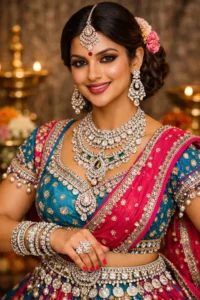
Known for its diamond-like brilliance, AD jewellery enhances modern, classy sparkle. This is the treading item AD chokers, AD jhumkas, and elegant mangtikkas. American Diamond (AD) jewellery adds a modern, luxurious sparkle to Navratri outfits, balancing traditional Garba attire with a contemporary, high-polish finish. Pair AD sets with vibrant sarees or lehengas, choosing colourful stone combinations (blue, green, red) to create a striking contrast.
Kundan and Polki:
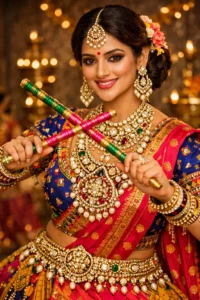
Kundan jewellery adds a royal, festive charm to Navratri outfits, perfectly pairing with traditional lehengas and Garba attire. Key pieces include statement Kundan chokers, jhumkas, maang tikkas, and bangles, with modern fusion sets (like German silver mixed with Kundan) offering lightweight comfort for dancing. These timeless pieces provide a regal touch. Kundan involves intricate designs with uncut diamonds set in gold, often featuring meenakari (enamel) work, while Polki consists of raw, uncut diamonds.
